
Introduction
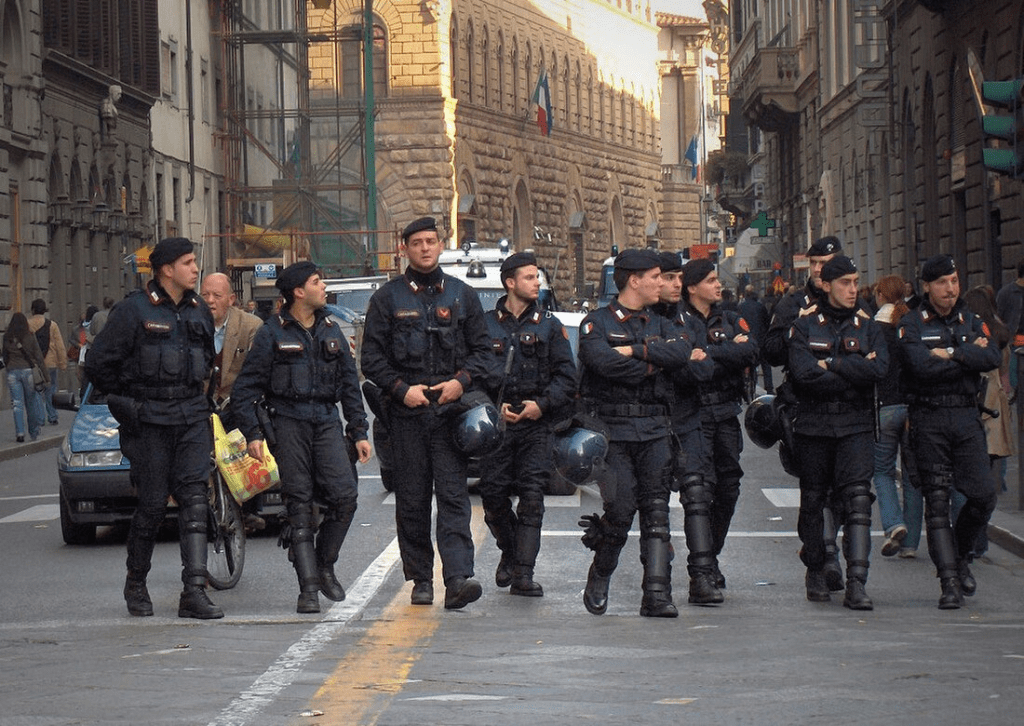
Gendarmerie law refers to the legal framework governing gendarmeries, which are military or paramilitary forces responsible for maintaining public order, enforcing the law, and ensuring national security, often in rural areas or regions where civilian police may be less effective. The structure, functions, and legal implications of gendarmeries can vary significantly from one country to another, influenced by historical, social, and political contexts.
Historical Context
The concept of a gendarmerie dates back to the 17th century in France, where the term “gendarme” originally referred to armed soldiers responsible for law enforcement. Over time, many countries adopted similar forces, which often served dual roles: as military personnel in times of war and as law enforcement officers during peacetime. Today, gendarmeries exist in various forms around the world, notably in countries like France, Italy, Turkey, and Romania.
Legal Framework
Gendarmerie law encompasses several legal aspects:
- Establishment and Authority: The legal authority for establishing a gendarmerie typically comes from national legislation or constitutional provisions. This law outlines the force’s structure, command hierarchy, and operational guidelines.
- Jurisdiction: Gendarmeries often operate in both civilian and military capacities. Their jurisdiction can include rural areas, border regions, and situations where civil disorder occurs. The legal parameters defining their authority are crucial to prevent overreach and protect citizens’ rights.
- Regulations and Conduct: Like other law enforcement agencies, gendarmeries are subject to specific regulations regarding the conduct of their personnel. This includes rules governing the use of force, engagement with civilians, and accountability mechanisms to handle misconduct.
- Cooperation with Civilian Police: In many countries, gendarmeries work alongside civilian police forces, especially in joint operations. Laws governing these collaborations define their roles, responsibilities, and the flow of information between the two entities.
Operational Roles
Gendarmeries perform a range of functions that may include:
- Maintaining Public Order: Gendarmeries are often deployed to manage civil unrest, riots, or protests, ensuring public safety and order.
- Criminal Investigation: They may conduct investigations into serious crimes, especially in areas where local police forces are under-resourced or overwhelmed.
- Border Security: Many gendarmeries have a role in patrolling borders and preventing illegal activities, such as smuggling or human trafficking.
- Disaster Response: In some jurisdictions, gendarmeries are involved in disaster relief and emergency response efforts, leveraging their military training and resources.
Controversies and Challenges
The presence and role of gendarmeries can sometimes lead to controversies, particularly in relation to:
- Human Rights Concerns: There are concerns about the militarization of police forces and the potential for human rights violations, especially during crowd control situations.
- Accountability: Ensuring accountability and transparency within gendarmeries can be challenging, leading to calls for reforms and better oversight mechanisms.
- Public Perception: The dual nature of gendarmeries can create mixed perceptions among the public, as they are viewed both as protectors and potential aggressors.
Conclusion
Gendarmerie law represents a complex intersection of military and civil law enforcement. As global security challenges evolve, the role of gendarmeries will likely continue to adapt, necessitating ongoing dialogue about their legal frameworks and operational guidelines. Understanding gendarmerie law is essential for ensuring that these forces operate effectively and in accordance with democratic principles, protecting the rights of citizens while maintaining public order and safety.

 Sterling Law